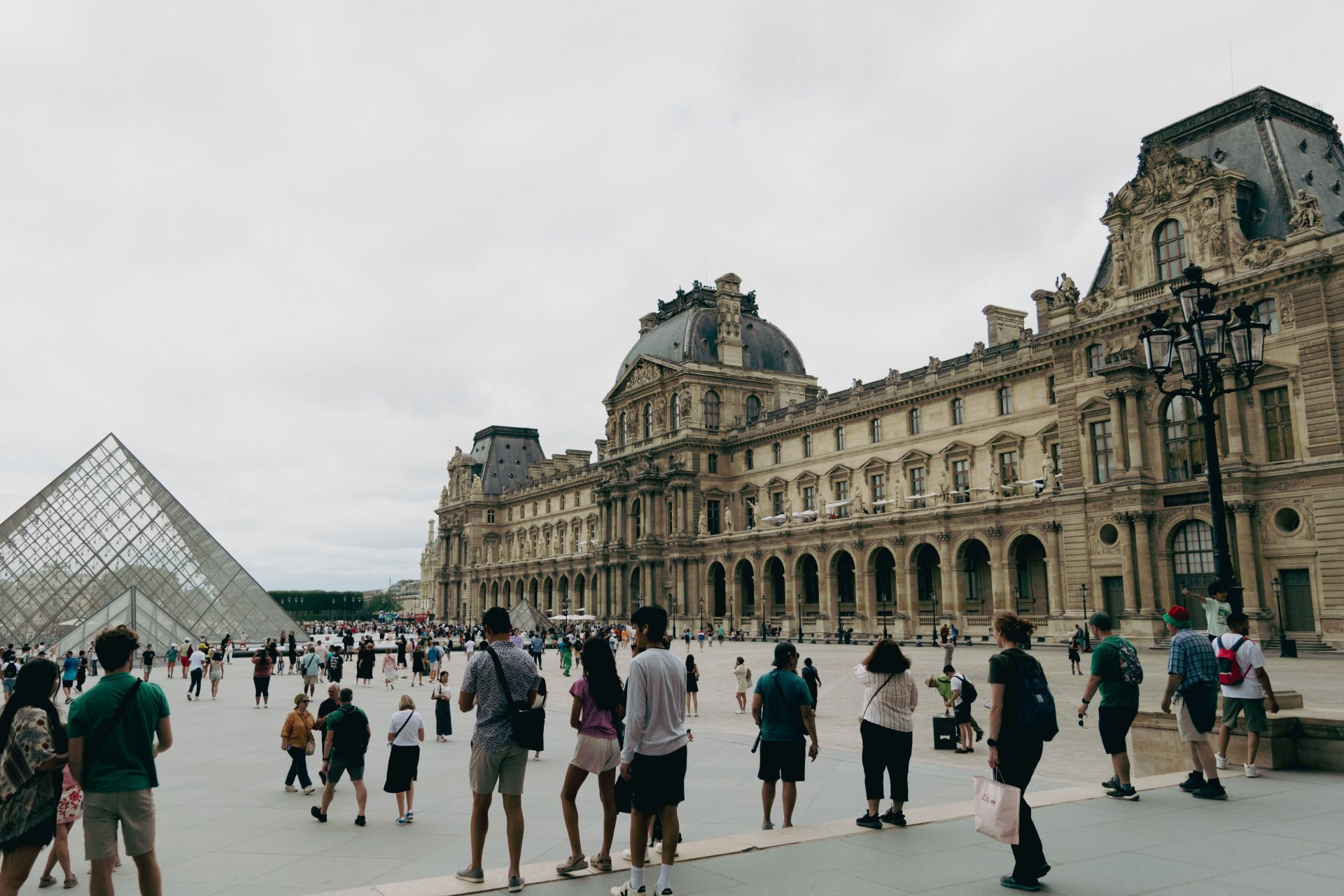
Best Off-Peak Times to Visit Europe and Japan in 2026 Without the Crowds
You’ve done Europe in July. You’ve seen the photos of Kyoto in cherry blossom season, wall to wall with phones held overhead. If you’re now wondering when to visit, Japan’s off-peak season sits either side of its peak periods, whilst Europe’s quietest months run from late September to November, and again in late January and February.
Quick Answer:
- Japan’s off-peak season runs mid-January to late February, and again mid-May to mid-June, before the rainy season sets in.
- Europe’s quietest months are late September through November, and January to March, excluding Christmas markets.
- You’ll trade some weather certainty and a handful of closures for shorter queues, better service, and rooms that were sold out at peak.
- Even off-peak, the best hotels and guides in both destinations book out early. Timing the trip is only half the job.
What “Off-Peak” Actually Means in Practice
Off-peak doesn’t mean empty, and it doesn’t mean second-rate weather. It means the gap between two crowd surges, when the destination is still fully open and functioning but the queues, the sold-out ryokan, and the three-deep viewing platforms have thinned out.
In Japan, that gap sits between cherry blossom season (late March to early April) and Golden Week (late April to early May) on one side, and between Golden Week and the rainy season on the other. In Europe, it’s the weeks after the school-holiday exodus ends in early September, and before the Christmas market crowds arrive in early December.
Knowing how to avoid crowds in Europe or Japan isn’t about picking a quiet country. It’s about picking the quiet fortnight within a popular one.
Japan Off-Peak Season: Month by Month
| Window | What You Get | What to Expect |
|---|---|---|
| Mid-Jan – late Feb | The quietest stretch of the year. Onsen towns, ski resorts and Kyoto temples with real breathing room. |
Cold (2–10°C), some outdoor sites less atmospheric, but ryokan availability is excellent. |
| Late Feb – mid-Mar | Plum blossoms without the sakura crowds; ski season winding down. | Still cold, but noticeably calmer than the cherry blossom season. |
| Mid-May – mid-Jun | Warm, dry, green, and genuinely underrated. Golden Week crowds have gone home. |
Comfortable 18–23°C, rice paddies filling, wisteria still lingering in places. |
| Early Dec | Late autumn colour hanging on, illuminations beginning, crowds well below November’s peak. |
Cool and crisp; some autumn foliage tours already finished for the season. |
If you’re after the best time to travel to Japan to avoid crowds without sacrificing comfort, mid-May to early June is the standout: spring weather, none of the Golden Week congestion, and hotel rates that haven’t yet climbed to autumn-foliage levels.
For those set on cherry blossoms, the best time to travel to Japan to avoid crowds while still catching the bloom is the very start or tail end of the season, in the Izu Peninsula in late March or Hokkaido in early May, rather than Kyoto and Tokyo at peak.
Off-Peak Season to Visit Europe: Month by Month
| Window | What You Get | What to Expect |
|---|---|---|
| Late Sep – Oct | The classic shoulder season. Warm days, cool nights, grape harvest in wine regions. |
Mediterranean Europe can still feel busy; book marquee restaurants ahead. |
| Nov | A genuine quiet window before Christmas markets open. | Shorter days, some coastal towns and smaller hotels closed for the season. |
| Jan – Mar | The lowest crowds and prices of the year, outside skiing regions. | Cold and often grey; excellent for museums, opera and high culture. |
The off-peak season to visit Europe that suits most of our clients is late September into October: it keeps the outdoor dining and long lunches of summer, while the tour buses and cruise-ship crowds in places like Dubrovnik and Venice have noticeably thinned.
If you’re specifically weighing up how to avoid crowds in Europe in cities that never really go quiet, such as Rome or Paris, November is your best option, since most attractions and restaurants stay fully open while visitor numbers drop well below the September figure.
What You Trade Off Versus What You Gain
- In Japan: you’ll miss peak cherry blossoms or the deepest autumn colour in the famous spots, but you gain ryokan and restaurant reservations that are simply unavailable in late March or November, plus considerably calmer temple visits.
- In Europe: shorter daylight and a cooler evening or two, in exchange for actual tables at restaurants that require weeks of notice in July, shorter (or nonexistent) queues at major sights, and noticeably warmer service, since staff aren’t running off their feet.
Neither trade suits every traveller. If cherry blossoms or a specific festival are non-negotiable, that should shape the dates, not the crowd calendar. But for travellers who’ve already ticked off the big-ticket peak-season version of a destination, this is usually the upgrade they didn’t know they wanted.
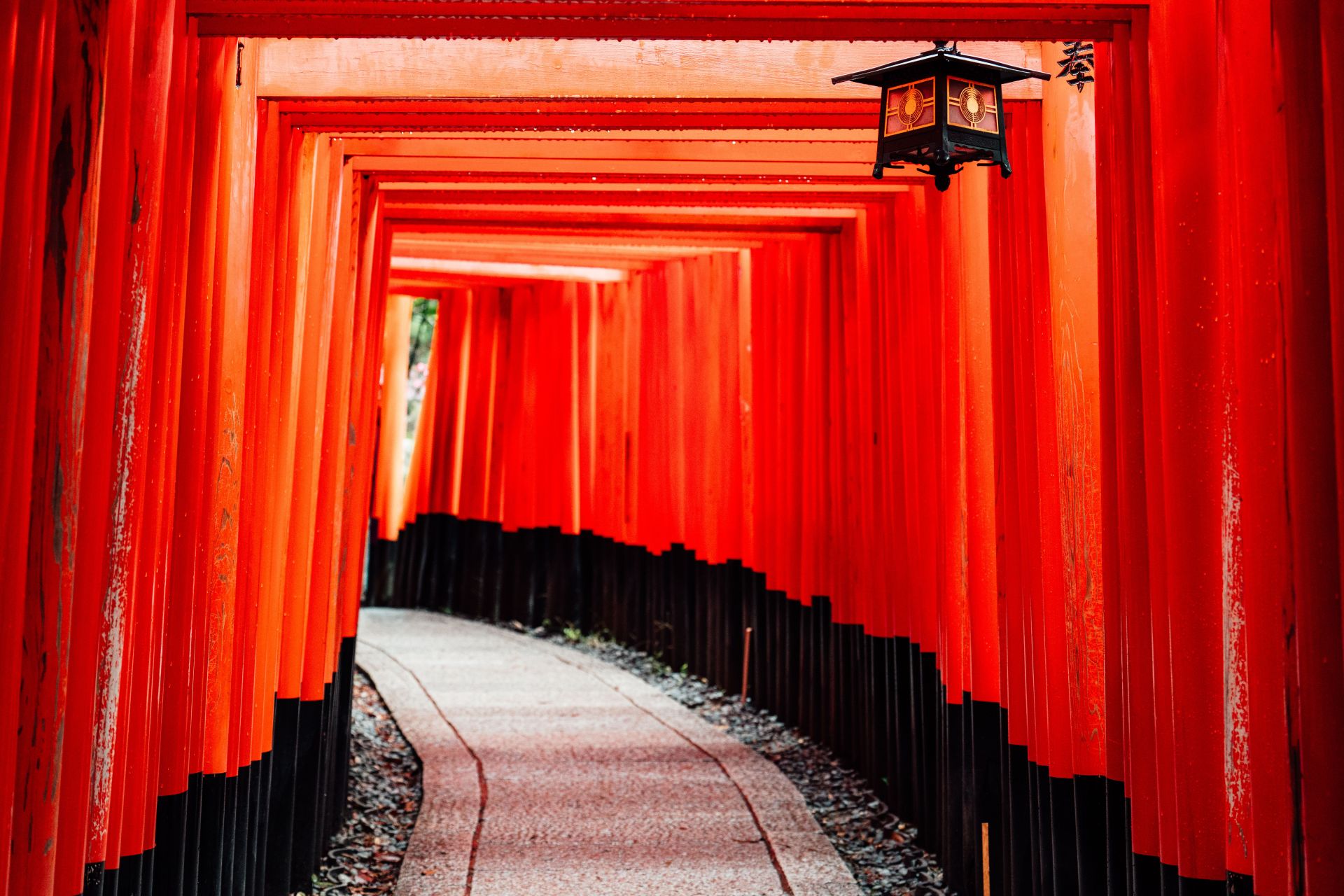
Why Early Booking Still Matters, Even Off-Peak
Here’s the part most generic guides skip: off-peak doesn’t mean last-minute. The best small ryokan, the boutique hotels in Kyoto’s quiet lanes, and the five-star properties along the Amalfi Coast or in Lake Como still fill their best rooms well ahead of the date, because savvy travellers have caught on to exactly these windows.
For cherry blossom tours in Japan around the shoulder dates, or a Europe river cruising itinerary through the Rhine or Danube in October, the properties and sailings with the best reputations are typically locked in six to nine months ahead, even though the calendar itself is quieter.
The Case for Booking Through an Advisor
A crowd calendar tells you when to go. It doesn’t tell you which ryokan in Hakone is worth the drive, or which Roman trattoria is still serving locals rather than day-trippers, in whichever month you land.
As Virtuoso travel agents in Australia, Spencer Travel’s advisors have planned enough off-peak Japan and Europe itineraries to know precisely which windows suit which travellers, and which properties are worth chasing before they book out.
One recent client’s cherry blossom trip included a fully booked-out ryokan in Hakone secured through supplier relationships alone, along with a private tea ceremony arranged around the quieter shoulder dates rather than the peak-bloom rush.
For journeys that blend more than one destination or season, our bespoke travel planners build the itinerary around the quiet windows that suit your dates, not just the obvious ones everyone already knows about.
Find Your Own Quiet Window in 2026
Speak with our luxury travel agency team, and we’ll match the timing to how you actually like to travel.
FAQs